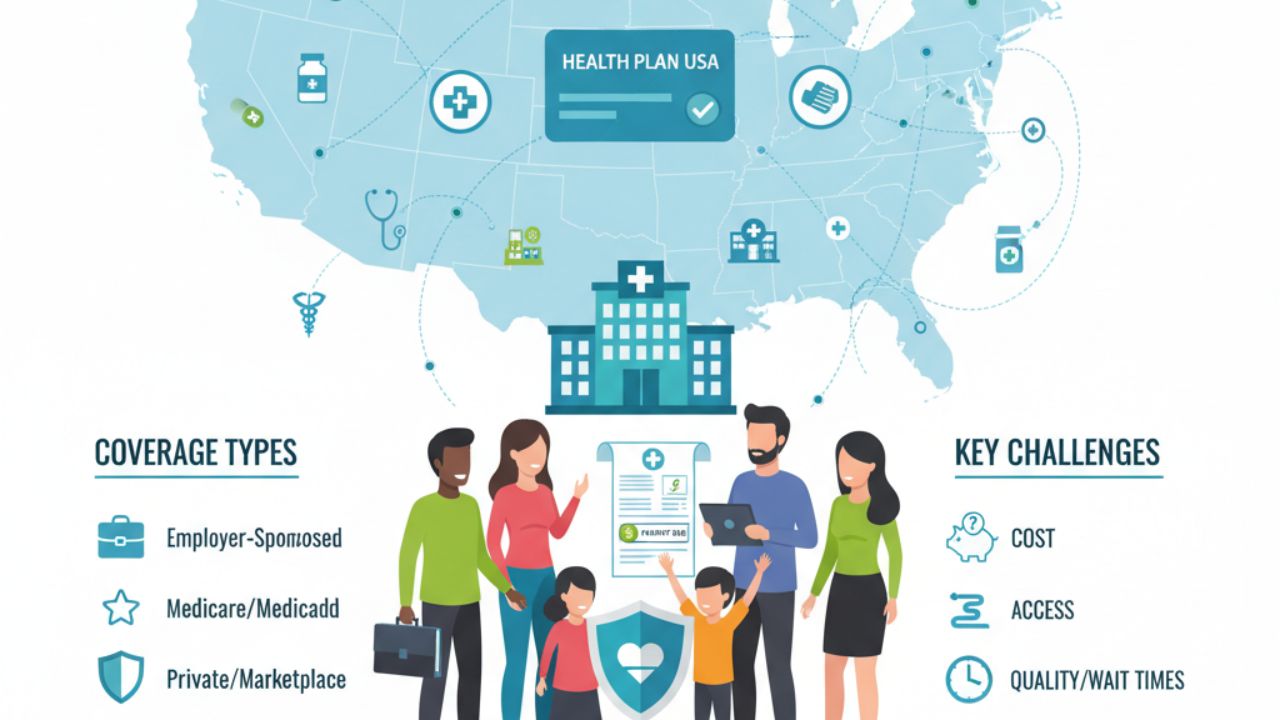
The US healthcare system is famous for its complexity. For residents, immigrants, and long-term visitors, understanding how to get medical care and pay for it is an essential life skill. Navigating this landscape requires a basic understanding of medical billing, insurance networks, and provider quality.
Unlike many other developed nations, the United States does not operate under a universal healthcare model. The country relies on a mixed system of private health insurance, government-funded programs, and out-of-pocket payments. This decentralized approach means that healthcare experiences can vary wildly depending on your employer, your age, your income level, and even the state where you live.
This guide breaks down exactly how healthcare works in the United States. You will learn about the true costs of medical services, the different types of health insurance available, and how to identify top-rated hospitals. Armed with this information, you can make informed decisions about your medical care and protect your financial well-being.
Understanding Healthcare Costs in the USA
Medical care in the United States is among the most expensive in the world. A simple emergency room visit can easily cost thousands of dollars, while major surgeries can generate bills that rival the price of a new home.
The Price of Medical Services
Hospital pricing operates on a system called a chargemaster. This is essentially a master list of prices for every single procedure, medication, and supply used in a hospital. Because insurance companies negotiate massive discounts on these chargemaster rates, uninsured patients are often billed the highest possible amounts.
To manage these costs, patients must understand a few key financial terms:
- Premiums: The monthly fee you pay to keep your health insurance active.
- Deductibles: The amount you must pay out of pocket before your insurance starts covering expenses.
- Copayments (Copays): A fixed flat fee you pay for a specific service, like a $20 charge for a doctor’s visit.
- Out-of-pocket maximum: The absolute most you will have to pay in a single year. Once you hit this limit, your insurance covers 100% of approved medical expenses.
Navigating Health Insurance: Types and Coverage
Securing the right health insurance is the single most important step in managing your healthcare. The system is divided into private and public sectors.
Private Insurance Options
The majority of Americans receive health insurance through their employers. Employer-sponsored plans typically split the cost of the monthly premium between the company and the employee. If you are self-employed or work for a company that does not offer benefits, you can purchase an individual plan through the Affordable Care Act (ACA) Health Insurance Marketplace. These Marketplace plans are legally required to cover essential health benefits, including emergency services, maternity care, and prescription drugs.
Government Programs: Medicare and Medicaid
The federal and state governments manage specific programs designed to protect vulnerable populations.
Medicare is a federal program primarily for people aged 65 and older. It covers hospital stays, medical services, and prescription drugs. Medicaid, on the other hand, is a joint federal and state program that provides free or low-cost health coverage to some low-income people, families, pregnant women, and people with disabilities. Because states manage Medicaid, the eligibility rules can change drastically right across state lines.
The Role of Hospitals: Best Practices and Rankings
When you need serious medical attention, choosing the right facility can heavily impact your health outcomes. The US is home to some of the most advanced medical research and treatment centers on the planet.
Identifying Top-Tier Medical Centers
Organizations like U.S. News & World Report regularly evaluate and rank hospitals based on patient survival rates, technology, and nursing quality. Institutions such as the Mayo Clinic, Cleveland Clinic, and Johns Hopkins Hospital frequently dominate these lists.
If you need specialized care, researching these rankings can help you find experts in cardiology, oncology, or neurology. However, always verify that a top-ranked hospital is “in-network” with your health insurance plan. Receiving care from an out-of-network facility can result in massive, unexpected medical bills.
Challenges and Future of US Healthcare
The American medical system faces ongoing scrutiny and pressure to evolve. High costs consistently rank as a top concern for voters and policymakers.
The Push for Reform
Prescription drug pricing remains a major hurdle. Medications that cost a few dollars in Europe often cost hundreds of dollars in the United States. Furthermore, the administrative burden of dealing with insurance claims creates massive overhead for doctors and hospitals.
Looking forward, the industry is shifting toward value-based care. This model pays doctors based on patient health outcomes rather than the number of services they provide. Additionally, the rapid expansion of telehealth has made routine medical care more accessible and affordable, allowing patients to consult with doctors via smartphone or computer.
Frequently Asked Questions About US Healthcare
What happens if I have a medical emergency but no insurance?
Under a federal law known as EMTALA, emergency rooms that accept Medicare must stabilize and treat anyone who comes through their doors, regardless of their insurance status or ability to pay. However, you will still be billed for the care you receive after the fact.
Can tourists get free healthcare in the US?
No. Visitors and tourists are entirely responsible for their own medical bills. Purchasing comprehensive travel health insurance before arriving in the United States is highly recommended to avoid crippling debt in the event of an accident.
Are dental and vision covered under standard health insurance?
Standard medical insurance for adults rarely covers dental work or eye exams. You typically need to purchase separate dental and vision insurance policies to cover these specific needs.
Taking Control of Your Healthcare Journey
Mastering the US healthcare system takes time, patience, and a willingness to read the fine print. Start by reviewing your current health insurance policy to understand your deductibles and provider network. If you are uninsured, explore the ACA Marketplace to find a plan that fits your budget.
Always ask for itemized bills after a hospital visit, and never hesitate to negotiate medical costs with a provider’s billing department. By staying proactive and informed, you can secure high-quality medical care without compromising your financial security.